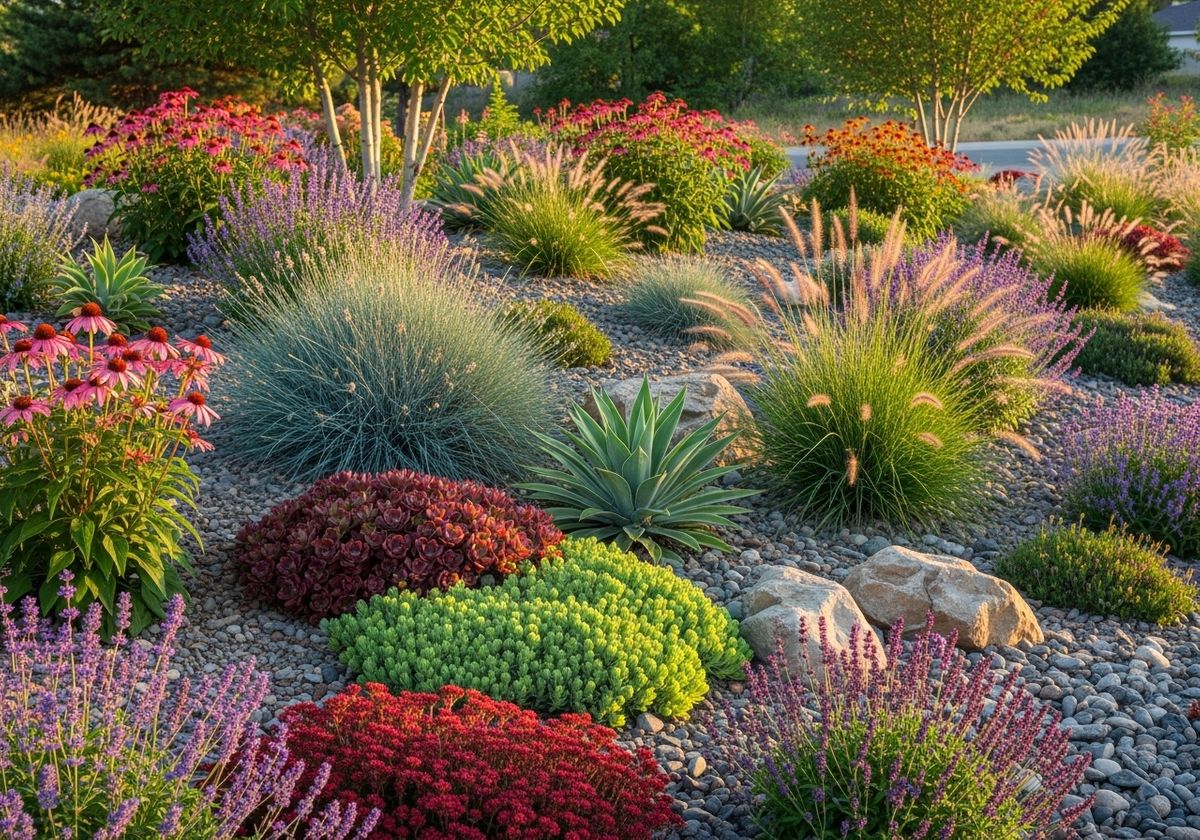
Choosing the right plants for a xeriscape garden can seem daunting, but with a little planning, you can create a beautiful, water-wise landscape. Xeriscaping is all about minimizing the need for supplemental irrigation by using drought-tolerant plants and efficient watering techniques. This approach not only conserves water but also reduces maintenance and lowers your water bills. Let's explore how to select the best xeriscape plants for your garden.
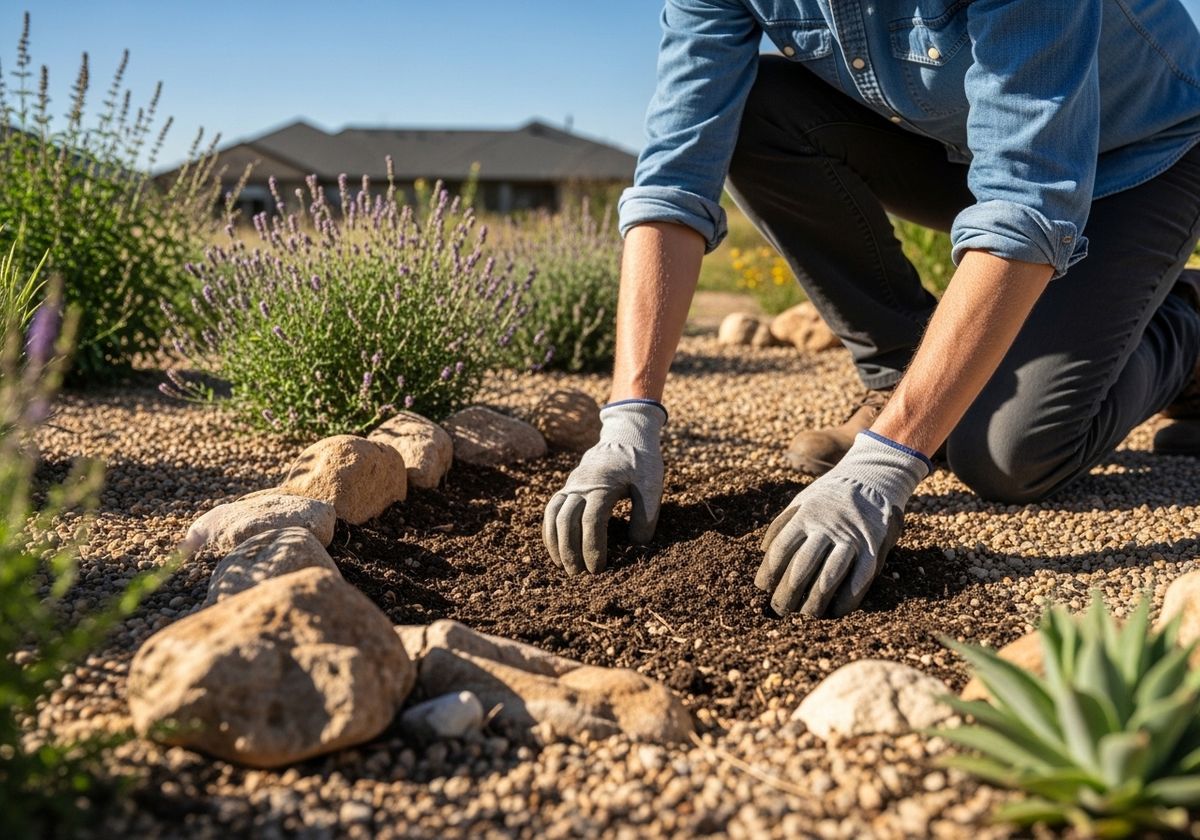
Assess Your Site Conditions
Before you even think about plants, take a good look at your site. Consider the following factors:
Sunlight: How many hours of direct sunlight does the area receive each day? Some plants thrive in full sun, while others prefer partial shade.
Soil Type: Is your soil sandy, clayey, or loamy? Different plants have different soil preferences. You may need to amend your soil to improve drainage or fertility.
Climate: What is your region's average rainfall, temperature range, and humidity levels? Choose plants that are well-suited to your local climate.
Drainage: Does water drain quickly, slowly, or not at all? Good drainage is essential for most xeriscape plants to prevent root rot.
Consider Plant Characteristics
Once you understand your site conditions, you can start selecting plants based on their characteristics:
Drought Tolerance: Look for plants labeled as "drought-tolerant" or "water-wise." These plants have adaptations that allow them to survive with minimal water.
Native Plants: Native plants are often the best choice for xeriscaping because they are already adapted to your local climate and soil conditions. They also support local ecosystems.
Plant Size and Shape: Consider the mature size and shape of the plants to ensure they fit well in your landscape design and don't outgrow their space.
Bloom Time and Color: Choose plants with different bloom times to provide color and interest throughout the growing season. Consider the overall color palette of your garden.
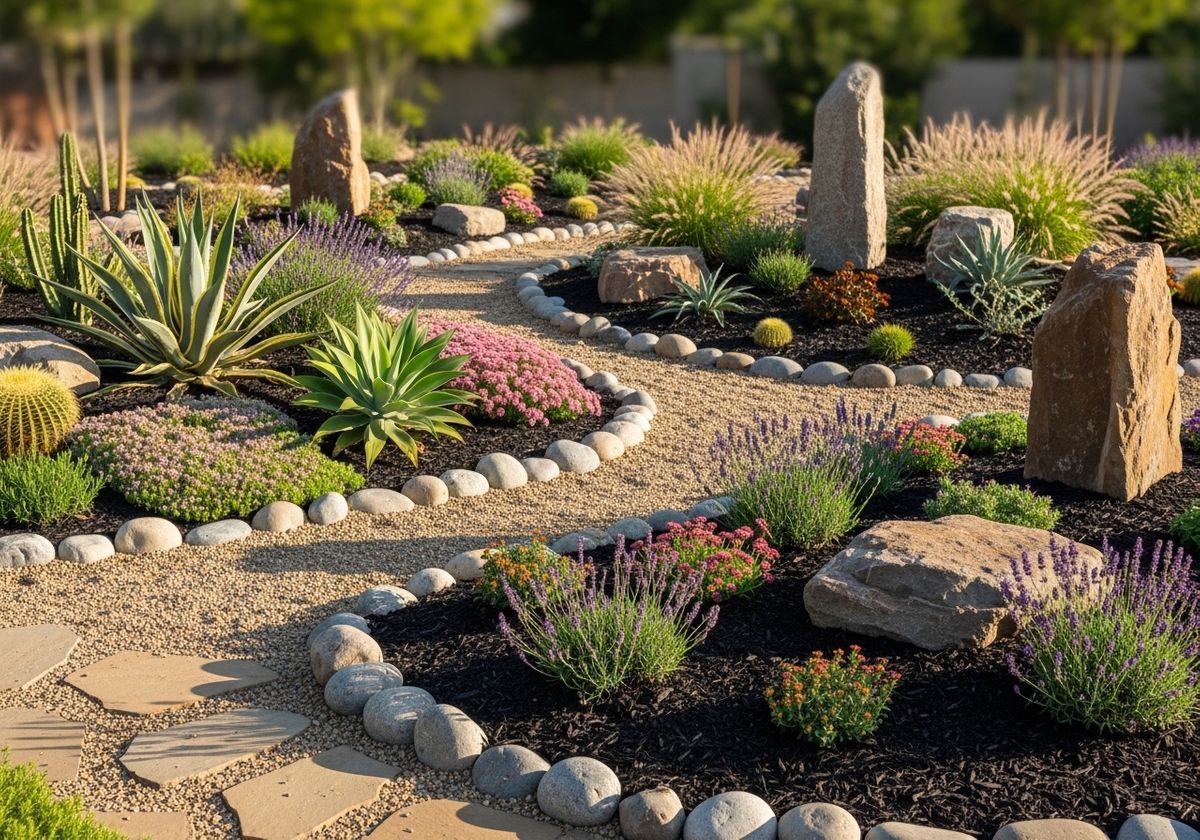
Xeriscape Garden Design
Effective xeriscaping involves more than just selecting the right plants; it also requires thoughtful design and installation. Hardscape elements like rocks, gravel, and mulch can reduce water evaporation from the soil, further contributing to water conservation. Strategic placement of plants based on their water needs is crucial; group plants with similar watering requirements together to optimize irrigation efficiency.
Popular Xeriscape Plants
Here are a few popular xeriscape plants to consider:
Succulents: Sedum, agave, and sempervivum are excellent choices for adding texture and interest to your xeriscape garden. They store water in their leaves and stems, making them highly drought-tolerant.
Ornamental Grasses: Blue fescue, feather grass, and switchgrass add movement and visual appeal to the landscape. They are also low-maintenance and require minimal watering once established.
Perennials: Coneflowers, lavender, and salvia are colorful perennials that attract pollinators and thrive in dry conditions. They provide long-lasting blooms and are relatively easy to care for.
Selecting the best xeriscape plants involves assessing your site conditions, considering plant characteristics, and thoughtful design. By choosing drought-tolerant and native plants, you can create a beautiful, sustainable landscape that conserves water and reduces maintenance. Thinking about incorporating hardscape elements, like a new patio, or updating your irrigation to accommodate your new xeriscape? At TJP Enterprises, we specialize in Landscaping, Lawn Care, Hardscape, Irrigation, and Patio Installation services to help you create the outdoor space of your dreams. Contact us today to learn more about our services or to schedule a consultation.