
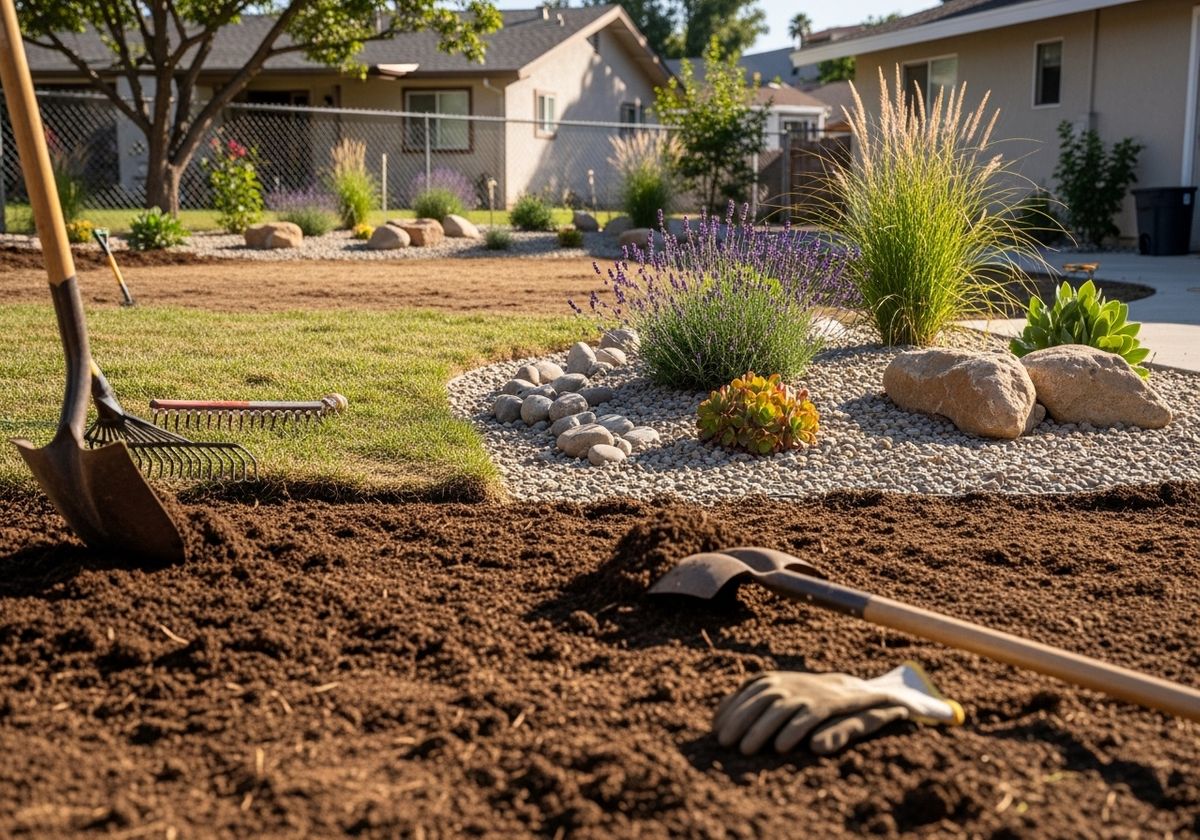
Thinking about transforming your yard into a water-wise oasis? Xeriscaping is an excellent way to conserve water while creating a beautiful, low-maintenance landscape. However, before you start planting drought-tolerant plants and installing rock features, there are some important steps to take to prepare your yard for xeriscaping.
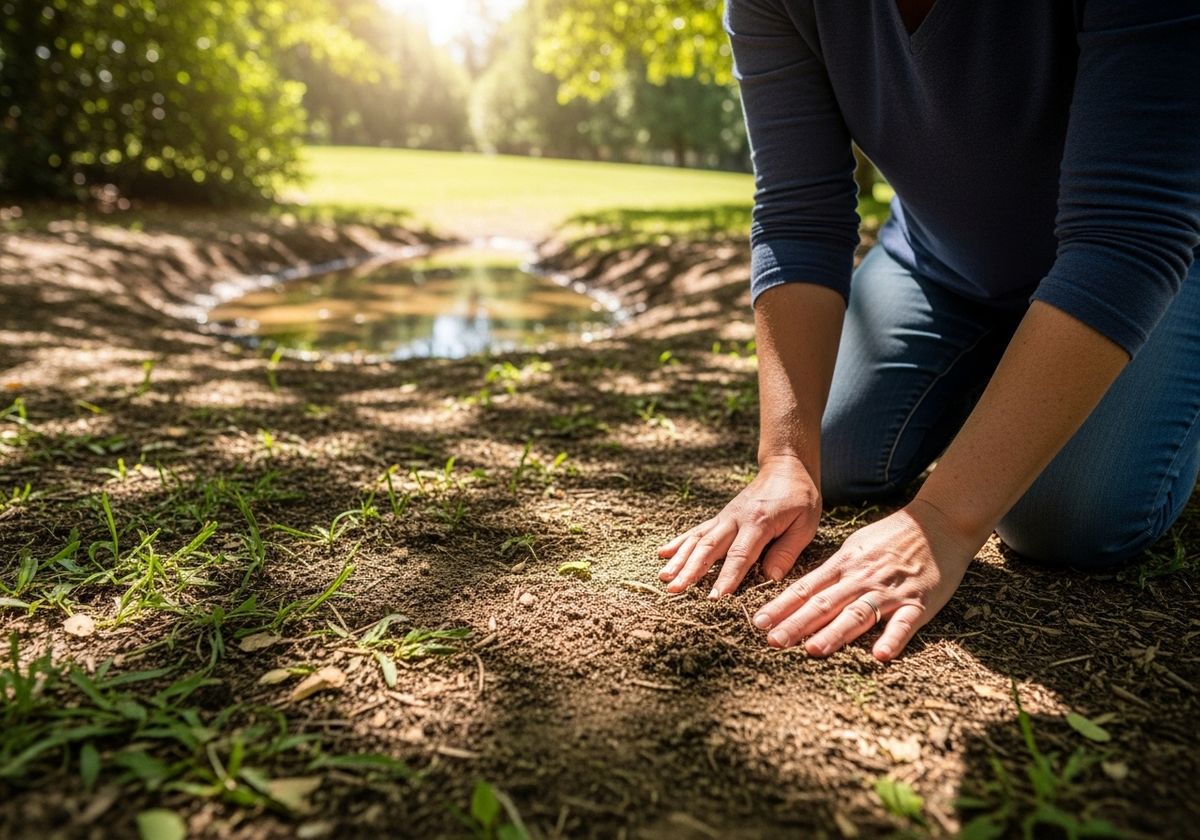
Assess Your Site
Before making any changes, take some time to assess your yard. Consider the amount of sunlight different areas receive, the existing soil type, and the natural drainage patterns. Note areas where water tends to pool or where the soil is particularly compacted. This information will help you choose the right plants and design your landscape effectively.
Remove Existing Lawn and Vegetation
One of the first steps in preparing for xeriscaping is removing any existing lawn or vegetation that you don't want in your new landscape. This may involve using a sod cutter, manual digging, or applying an herbicide. Be sure to remove the roots as well to prevent regrowth. Consider composting the removed vegetation to use as mulch later on.
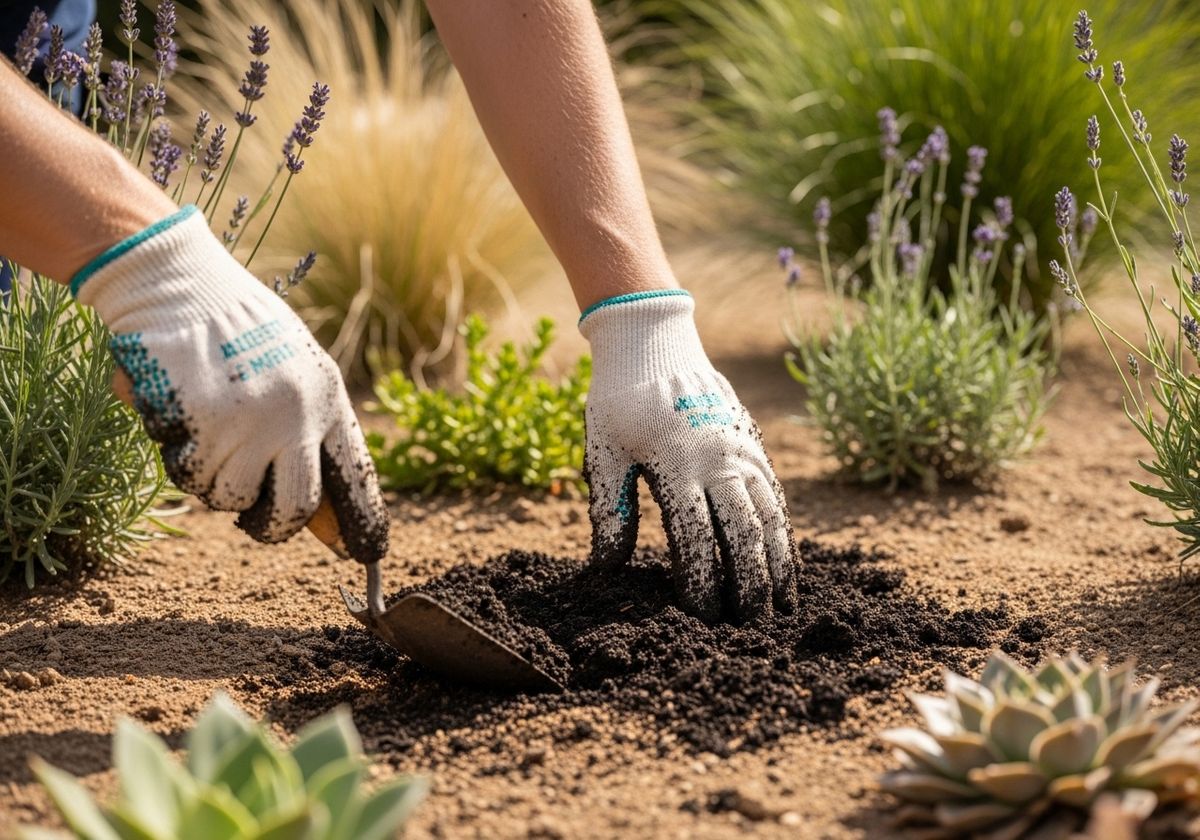
Improve the Soil
Xeriscaping doesn't necessarily mean neglecting the soil. In fact, healthy soil is essential for the success of your plants. Amend the soil with organic matter such as compost or well-rotted manure to improve its water-holding capacity and nutrient content. Consider conducting a soil test to determine if any additional amendments are needed.
Plan Your Irrigation
While xeriscaping aims to reduce water usage, irrigation is still important, especially during the establishment phase of new plants. Plan your irrigation system carefully, considering factors such as plant water requirements, soil type, and slope. Drip irrigation is often the most efficient method for xeriscaping, as it delivers water directly to the roots of plants, minimizing water loss through evaporation.
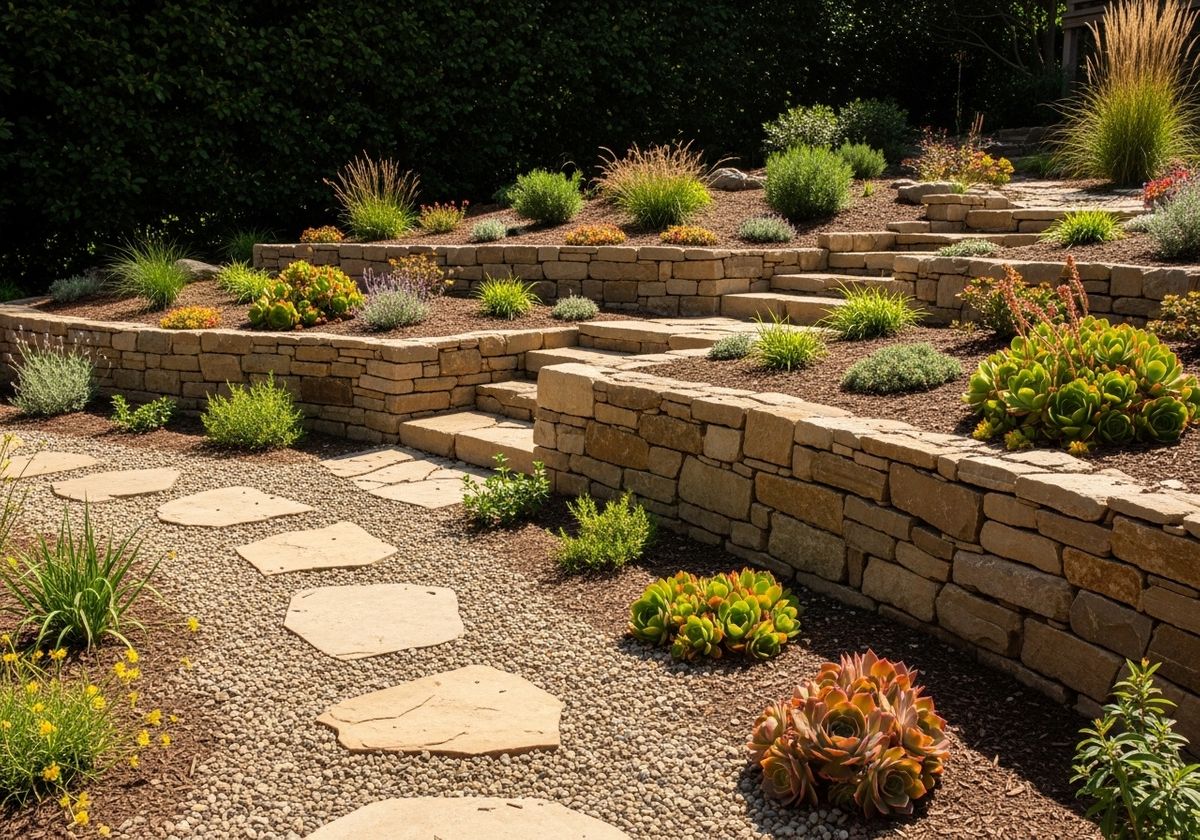
Install Hardscape Features
Hardscape elements such as patios, walkways, and retaining walls can play a significant role in xeriscaping. These features not only add visual interest to your landscape but also help to reduce water runoff and erosion. Consider using permeable materials such as gravel or paving stones to allow rainwater to soak into the ground.
Choose the Right Plants
Selecting the right plants is crucial for successful xeriscaping. Opt for drought-tolerant species that are well-suited to your local climate and soil conditions. Group plants with similar water requirements together to make irrigation more efficient. Consider using native plants, as they are already adapted to the local environment and require less maintenance.
Preparing your yard for xeriscaping involves careful planning, soil preparation, and plant selection. By following these steps, you can create a beautiful, water-efficient landscape that thrives in your environment. Contact TJP Enterprises today for expert assistance with your landscaping, lawn care, hardscape, irrigation, or patio installation needs! We can help you design and implement a xeriscape plan that meets your needs and enhances the beauty of your property.